

A mother of two who was severely injured after a tragic boating accident on Lake Michigan has filed a lawsuit against the boat rental company, its owner and the boat’s captain. According to a recent report in the Chicago Sun-Times, Lana Batochir was floating on a raft with her friends at Chicago’s popular “Playpen” boating area on Aug. 13, 2022, when a rented yacht drifted and smashed into them.
Featured Solutions
The incident highlights the potentially severe liability exposures facing boat rental companies, particularly when questions arise regarding captain oversight, training and operational safety procedures.
The accident reinforces the importance of stringent safety measures for boat rental companies and the need for Marine Insurance, particularly Protection and Indemnity (P&I) Insurance, said Noah Wheeler, Inside Broker, Marine, Burns & Wilcox, Miami, Florida.
“This was a horrible accident. You never want that to happen to anyone,” Wheeler said. “Ultimately, these businesses are risky. P&I Insurance can cover third-party personal injury liability and physical damage to other boats.”
Risks multiplied at ‘Playpen’ boating area
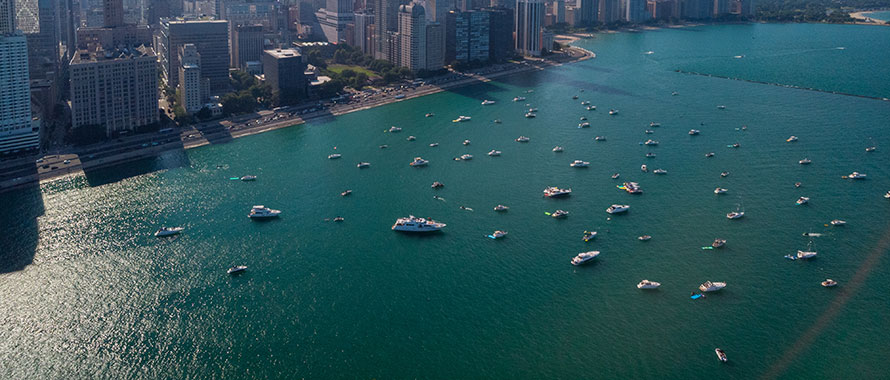
According to the Chicago Tribune, the “Playpen” is a no-wake boating area near Oak Street Beach in Chicago that is popular for water sports and parties. After last summer’s accident, the manager of another boat rental company told NBC Chicago that the small area’s popularity “multiplies the danger” there due to crowds and “so much boat movement.” It is located in federal waters, making it more difficult for the city to regulate.
According to reports, the Aug. 13 incident was one of a cluster of incidents within a short time frame in that area. Just days after the accident, News Channel 8 reported that three individuals died on the water and another was missing.

Ultimately, these businesses are risky. P&I Insurance can cover third-party personal injury liability and physical damage to other boats.
Busy recreational boating areas can present heightened risks due to crowding, operator inexperience, alcohol use and increased vessel traffic. In these environments, accidents can occur quickly, reinforcing the importance of safety awareness and proper boating practices.
In 2021, 658 individuals were killed in recreational boating accidents in the U.S., according to the National Safe Boating Council. Boating accidents can result in severe injuries, significant property damage and substantial liability exposures.
Marine Insurance can be tailored to a boat owner or boat rental company’s specific needs, but generally includes Hull Insurance to cover physical damage to the boat itself and P&I Insurance for third-party property damage and bodily injury coverage. This liability coverage usually extends to third parties outside of the boat and those on the boat, with the exception of any crew. In the case of a serious accident that leads to a lawsuit, covered expenses could include legal defense, medical bills and settlements, Wheeler said.
When obtaining insurance, companies would need to specify whether they offer captained charters or bareboat charters. “With a bareboat charter, there is no captain involved besides the renter,” Wheeler explained. “They basically give you the keys to the boat and the renter takes the boat out as the captain.”
Obtaining insurance in a high-risk industry
Insuring businesses that rent boats to the general public can be challenging due to the significant liability exposures associated with recreational boating operations.
Unlike operating a motor vehicle, boating requirements and experience levels can vary significantly. As a result, rental operators may place vessels in the hands of individuals with limited boating experience, increasing the potential for serious accidents and liability claims.
That can make accessing insurance more challenging, especially if proper precautions are not in place. Water-related accidents can present especially dangerous conditions due to factors such as limited swimming ability, rough waters and changing weather conditions, all of which can increase the severity of injuries and complicate rescue efforts.
Insurance needs could also vary depending on where a charter boat company is located. In Florida, for example, a statute went into effect Jan. 1 that sets specific insurance standards for bareboat charter businesses and their passengers. The new rules have left some business owners concerned about being underinsured. “The carriers are actively working on a solution, and, for the moment, insureds are fearful of being underinsured,” Wheeler said.
These changes could be in response to an increase in boat purchases — powerboat retail sales have remained strong after reaching record highs in 2020, Business Wire reported last year. It could also have to do with more individuals moving into Southern states like Florida, Wheeler said. “There have been more boats purchased in Florida since COVID-19, and a lot of accidents have been occurring,” he said.
Training protocols, waivers recommended
Alcohol is a contributing factor in many boating accidents, according to the U.S. Coast Guard’s 2021 Recreational Boating Statistics Report, with alcohol use listed as the leading factor in 16% of U.S. fatal boating accidents where the primary cause was known. In addition to the risk of severe injury and death, boating accidents can also cause significant property damage. In 2021, 4,439 boating accidents led to a combined $67.5 million in property damage, the report noted.
“It is risky,” Wheeler said of the industry, particularly when it comes to renting out boats. “You can have signed waivers and make sure that renters are properly trained — either the day of or that they have prior experience — but at the end of the day, you just met that individual and you do not know how responsible they are going to be, or if they are going to let someone else drive.”
Boat rental companies should emphasize the importance of spotters, proper training, certifications and licensing. In the event of a major accident, businesses that are uninsured or underinsured could face severe financial consequences. Seasonal operations, particularly in markets with shorter boating seasons, may already operate on tight margins, making adequate insurance protection especially important when facing potentially catastrophic claims.
Given the risk of severe losses, Excess Liability Insurance is often recommended for these companies. Given the potential severity of boating-related claims, many companies purchase higher liability limits and Excess Liability Insurance to help protect against catastrophic losses. Businesses should also carefully review policy exclusions, including potential limitations related to punitive damages, and work with experienced brokers to determine appropriate coverage based on their operations and risk tolerance.
Standard Commercial General Liability (CGL) Insurance policies may have a lot of marine exclusions that are often overlooked.
Business owners in this industry should have their rental agreements and liability waivers reviewed by an expert, Wheeler suggested, and they should work with an insurance broker who specializes in Marine Insurance.
“Standard Commercial General Liability (CGL) Insurance policies may have a lot of marine exclusions that are often overlooked,” Wheeler said. “Another important thing to consider is that when you are insured with a proper Marine Insurance carrier, those carriers are experienced and used to working with ocean marine claims.”
These insurance carriers will also be prepared to address the unique risks involved in different types of boating operations. Boat operators and rental companies should be aware of the potential for negligence claims and lawsuits following serious accidents, even in situations where liability may be disputed. Because recreational boating operations can involve substantial risk exposures, businesses should work closely with specialized Marine Insurance professionals to secure appropriate coverage and liability limits.