
Inside This Article:
- Wagner SprayTech has recalled more than 700,000 power steamers after receiving at least 156 reports of overheating and hot water release, including more than 50 burn injuries.
- The recall comes just weeks after another large-scale steam cleaner recall by Dupray, whose product was linked to 15 reports of boiler ruptures and four injuries.
- Consumer bodily injury claims can be covered by a manufacturer’s Product Liability Insurance, which can help pay for legal defense and settlement costs.
- Product Recall Insurance can help offset recall costs including customer notification, product replacement or repair, and crisis management, while some losses could also trigger a manufacturing firm’s Errors & Omissions Insurance.
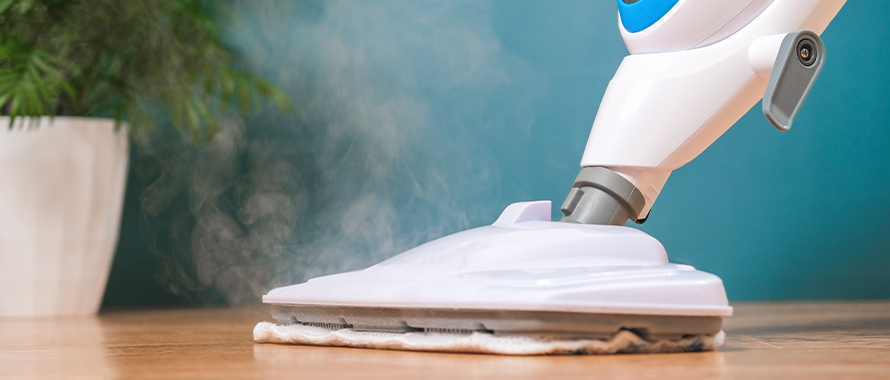
Hundreds of thousands of Wagner-brand steam cleaners have been pulled from the market after regulators warned they could pose a burn hazard to consumers. The recall of more than 700,000 900 Series Power Steamer units affects multiple models sold nationwide at Home Depot, Amazon, and other outlets between 2018 and early 2026, as well as 8,000 units sold in Canada. Owners are advised to stop using the devices until they are repaired, USA Today reported.
Officials say the product’s hoses can overheat and the nozzle can unexpectedly release hot water. The manufacturer has received at least 156 incident reports, including over 50 burn injuries, according to a March 19 notice from the U.S. Consumer Product Safety Commission (CPSC).
The recall was announced just three weeks after another steam cleaner sold in the U.S. and Canada was pulled from shelves over burn risks. On Feb. 26, more than 651,000 Dupray Neat Steam Cleaners were recalled after reports that the boiler could rupture and pose a burn hazard. The company received 15 incident reports, including four injuries and seven cases of minor property damage, and is asking customers to order a free replacement safety cap.
“These recalls can be very expensive for a company,” said Matthew Cook, Senior Underwriter, Commercial Insurance, Burns & Wilcox, Salt Lake City, Utah. “They can cost millions of dollars. That could put a company out of business pretty quickly.”

These recalls can be very expensive. They can cost millions of dollars. That could put a company out of business pretty quickly.
With both recalls, resulting losses could be addressed through Manufacturing and Distribution Insurance policies such as Product Liability Insurance and Product Recall Insurance, though allegations involving product design mistakes could also trigger a manufacturer’s Errors & Omissions (E&O) Insurance.
“The entire supply chain could be affected here,” said Steven Saucier, Broker, Professional Liability, Burns & Wilcox, New Orleans, Louisiana. “You always want to have the best insurance coverage, not necessarily the cheapest, especially when a company is this big and products are being sold nationwide. You never know what is going to happen.”

You always want to have the best insurance coverage, not necessarily the cheapest, especially when a company is this big and products are being sold nationwide. You never know what is going to happen.
Recall costs can outpace injury claims
In 2025, the CPSC issued a record-setting 542 recalls and warnings for consumer products, marking a 32% increase over 2024. While the frequency of recall events varies by industry, the scale of a single recall is expanding, with recalls now affecting “far more products” on average, according to a November 2025 report from Risk & Insurance.
HGTV reported that the recently recalled Dupray Neat Steam Cleaner was a popular product and had previously been selected as the network’s best overall steam cleaner. “Sometimes individuals think that recalls only affect companies without good quality control,” Cook said. “This was a recommended product and they are still having a massive recall.”
When third-party claims arise over alleged harm caused by defective products, a company’s Product Liability Insurance can help cover expenses such as legal defense, medical costs, and settlements. This coverage goes “hand in hand” with its Commercial General Liability (CGL) Insurance, Cook said.
“Product Liability Insurance could respond to the injuries and property damage, whether it is a burn, a broken wrist, or damage to property,” he said.
However, the financial impact of a recall event often extends well beyond liability exposure. When facing a recall, companies typically must notify customers, coordinate product repairs or removal, and more. These costs can escalate quickly, particularly when a recall affects a large number of units.
“With about 700,000 units recalled, even if the repair costs only $20 or $40 each, that is several million dollars right there,” Cook explained. Typically, he said, that is “way more than any injury claims.”
With about 700,000 units recalled, even if the repair costs only $20 or $40 each, that is several million dollars right there.
Why recall coverage is ‘often overlooked’
From customer notification to shipping costs and regulatory penalties, Product Recall Insurance can cover many of the expenses associated with a product recall — some of which may continue long after the initial recall announcement, Cook said.
“It can be a massive hit,” he said. “A lot of business owners might think Product Recall Insurance is a luxury coverage, or something that is just nice to have, but a recall is definitely something that could affect them. Those recall costs could be substantial.”
Product Recall Insurance policies typically offer broad coverage that can also include product disposal, crisis management, and third-party losses. “There is also the cost of labor to handle that recall,” Saucier pointed out.
In some cases, manufacturers and distributors may assume that their CGL Insurance would provide coverage for recall-related expenses — but “it does not,” Cook said. “It needs to be specifically added to their policy. … It is an often-overlooked coverage.”
Policy terms and conditions may “vary from carrier to carrier,” he added. “They should consult with their agent, read their policy, and make sure they know what is included.”
Recall risk may extend to designers, retailers
When a recall involves allegations of professional services failures that contributed to a product defect, a manufacturer or product designer’s E&O Insurance may also respond to recall-related losses, Saucier said.
“When someone is providing a design or professional advice and they are saying it is not faulty, and then there is a defect, that is where the E&O Insurance coverage could come in,” Saucier explained. “It protects against claims arising from errors and omissions in the manufacturer’s advice, consultation, or design services. Design-related mistakes can have severe consequences, leading to product defects or failures.”
E&O Insurance protects against claims arising from errors and omissions in the manufacturer’s advice, consultation, or design services. Design-related mistakes can have severe consequences, leading to product defects or failures.
Product recalls can affect multiple entities in the supply chain, from manufacturers and distributors to wholesalers and retailers. Retailers that carry a popular product, for example, could face losses when it is recalled, Saucier noted.
“A third-party retailer may be associated with selling that product and now they have to pull it off their shelves as well as explain what is going on to their customers,” he said. “In some situations, the brand reputation of the third party could be damaged and lead to lost income.”
According to Cook, “anybody in the supply chain that deals with the product should carry Product Recall Insurance. All sizes of manufacturers or distributors should have this coverage,” he said. “The government will come down on a smaller manufacturer just as much as they would a larger manufacturer — and the larger company often has a risk management team in place.”
Manufacturers are encouraged to have strong risk management protocols and keep detailed records of vendors and suppliers, Cook said. “If there is a recall, you need to know who to contact so you can take care of it quickly and efficiently,” he said. “Insurance should always be a part of any risk management plan. If a company has not had Product Recall Insurance in the past, now is probably the time to discuss and make sure they have appropriate coverage.”