

Why It Matters:
Many habitational losses are not driven solely by catastrophic events, but by secondary exposures that are often overlooked. These can include mechanical failures, regulatory requirements, and tenant claims over habitability. In the Habitational Insurance marketplace, overlooked coverages can significantly impact loss outcomes for property owners and managers — including the potential for substantial out-of-pocket costs even after a covered loss. For brokers, identifying and addressing these coverage gaps is critical to helping clients manage both operational and financial risks.
Commonly Overlooked Coverages – Key Terms:
The following key terms provide context around commonly overlooked coverages in Habitational Insurance and may help brokers and agents better understand these exposures.
Frequently Asked Questions:
1. Are these overlooked coverages usually included in standard Habitational Insurance policies? Often, no. Many coverages require endorsements or separate policies.
2. How do wind-related losses typically apply under Commercial Property Insurance policies? Coverage varies by location and policy structure, and wind losses may be excluded or subject to separate deductibles or policies.
3. Why is Ordinance & Law Coverage important for older habitational buildings? Older buildings may be required to comply with updated building codes after a covered loss, resulting in costs that are not fully covered under standard policies.
4. Does Equipment Breakdown Coverage replace the need for regular property maintenance? No. Equipment Breakdown Coverage responds to sudden and accidental mechanical or electrical failures and does not apply to wear and tear or deferred maintenance.
Conversation Starters:
Targeted questions can help brokers and agents uncover potential gaps and better understand a client’s risk profile. Examples of conversation starters include:
-
- “If a loss triggered the need to update a building to current codes, how would those additional costs be funded?”
- “What mechanical systems could cause significant disruptions to operations if they failed?”
- “Have you reviewed how your policy would respond if tenants allege a unit is uninhabitable?”
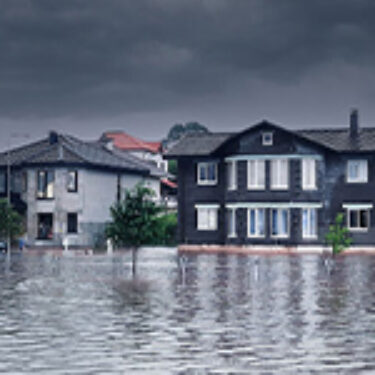
- “How would a Water Backup or Flood loss impact your cash flow?”
- “If a wind loss triggered a large deductible, how would that expense be funded?”
Tips for Brokers:
Review Habitational Insurance policies carefully with clients. This can help identify exclusions and sublimits tied to commonly overlooked coverages such as Habitability, Ordinance & Law, Equipment Breakdown, Water Backup, Flood, and Business Income. Clients may assume these exposures are fully covered when they are not.
Position endorsements as risk management tools, not optional add-ons. This approach can help highlight how these protections can reduce the potential for uncovered losses and unexpected out-of-pocket costs following a claim. For properties with increased exposure to wind or other catastrophic perils, early and complete submissions and close broker–underwriter collaboration remain important considerations.
This commentary is intended to provide a general overview of the issues contained herein and is not intended, nor should it be construed, to provide legal or regulatory advice or guidance. If you have questions or issues of a specific nature, you should consult with your own risk, legal, and compliance teams.