


As students head back into classrooms for the start of a new academic year, an ongoing teacher shortage in both the U.S. and Canada means many schools are operating with a high number of job vacancies — and, in some cases, turning to unusual hiring tactics to help fill the gaps. A new program in Florida will allow military veterans and their spouses to become teachers even if they do not have a college degree, a district in Georgia has had bus drivers substitute-teach in classes between routes, and some rural schools in northern Canada are combining grades into single classrooms to cope with the shortage.
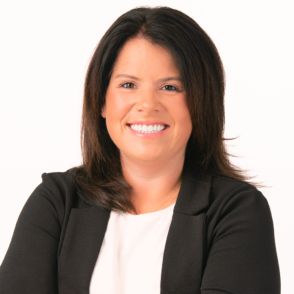
These changes are likely to cause alarm for some parents and could increase a school district’s risk of encountering problems or being sued, said Kristin Smith, Director, Commercial Insurance, Burns & Wilcox, Morehead City, North Carolina.http://www.burnsandwilcox.com
Featured Solutions
Schools that change their minimum teaching qualifications or otherwise alter their staffing protocols could face claims over educational delays among students due to inadequate instruction or even physical injuries related to reduced supervision in classrooms or on the playground. This type of lawsuit could be covered under a school’s Commercial General Liability (CGL) Insurance or Professional Liability Insurance, depending on the situation.
If schools hire teachers who lack proper credentials or formal teaching degrees, it can raise concerns about the consistency and quality of instruction. There may also be long-term implications regarding curriculum standards and educational outcomes. These risks should be carefully considered and addressed.
Teacher shortage at “crisis” levels
School teaching vacancies are a widespread problem in the U.S. this year, with 44% of schools experiencing full- or part-time job vacancies, according to a National Center for Education Statistics survey released in March. Special education had the most vacancies, followed by general elementary teaching positions and substitute teachers. About 51% of vacancies were caused by resignation and 21% were due to retirements, the survey found.
In today’s changing labor market, many workers are shifting industries, CBC News reported in an Aug. 23 article, which made note of a teacher who left the education field for sales. Job dissatisfaction and retirement were increasingly common reasons for Canadians to leave their positions, and many in the 55-plus age bracket stopped working during the pandemic, according to the report.
“Especially with the pandemic, this has been an ongoing issue with teachers leaving the industry due to burnout, health concerns, or retiring early,” Smith said, adding that debates over masks and remote learning may have created more pressure. “It is an added stress, which has likely added to the teacher shortage. They may be throwing their hands in the air and saying they do not want to go through this any longer.”
If schools increase the number of children in a classroom, the higher student-to-teacher ratio could mean not being able to supervise them as well.
The teaching shortage has reached “crisis” levels, the Washington Post reported on Aug. 4. To address the issue, other solutions being utilized by some school districts include four-day weeks, large sign-on bonuses and greater efforts to recruit retired teachers back into the profession. In Maryland, Baltimore City Public Schools still had 225 vacancies just a week before school was set to start, and planned to temporarily fill the gap by bringing in retired teachers, long-term substitute teachers, and office staff with previous teaching experience to lead classrooms, WBAL-TV 11 reported on Aug. 22.
The way classrooms are staffed may also see changes; in New Jersey, multiple school districts will have virtual teachers leading live classrooms this year, the Wall Street Journal reported Aug. 16. Any of these conditions could create an environment where a school is more likely to face litigation.
Insurance could cover injuries, misinformation
If schools consider changes to how they staff classrooms, consulting with their insurance broker is advisable. Commercial General Liability (CGL) Insurance is designed to cover third-party bodily injuries or property damage and may respond to claims alleging that a student was harmed due to inadequate supervision. For example, in September 2020, a school board in Palo Alto, California, agreed to pay $50,000 to settle a lawsuit that claimed a student was bullied because of insufficient oversight by school district employees, the Daily Post reported.
“If schools increase the number of children in a classroom, the higher student-to-teacher ratio could mean not being able to supervise them as well,” Smith explained. “If an accident occurs and the teacher was not supervising or was not there, that can be an issue.”
Professional Liability Insurance, also known as Errors and Omissions (E&O) Insurance, can provide coverage for mistakes made by school staff. This includes errors in instruction, as long as the individuals involved meet the policy’s definition of who is insured. Coverage typically extends to teachers and other school employees.
CGL Insurance and Professional Liability Insurance can often be packaged together for schools, and school leaders should ensure they have both. One of the most important covered expenses is legal defense, which should be included outside of the policy’s liability limits. Other potential covered expenses could include medical costs or therapy for the student affected.
It remains to be seen how costly a claim over instruction or misinformation by a teacher could become, as lawsuits like this seem to be uncommon, Smith said. “Depending on the situation that happened, it would be the cost of that student or individual to be put back whole again, the cost to rectify the situation,” she said.
Excess Liability Insurance can be a smart option. It provides liability limits that go beyond what is offered by CGL Insurance and Professional Liability Insurance, offering added protection in the event of a significant claim.
School districts are “strongly encouraged” to look into it, Smith added. “Once that CGL Insurance policy is exhausted, the Excess Liability Insurance policy would be able to help kick in on the back-end,” she said. “If that underlying policy was exhausted, they would rely on that for any additional expenses.”
Once that CGL Insurance policy is exhausted, the Excess Liability Insurance policy would be able to help kick in on the back-end. If that underlying policy was exhausted, they would rely on that for any additional expenses.
Important to review liability limits, coverage for abuse
Directors & Officers (D&O) Insurance and Employment Practices Liability (EPL) Insurance are also important for school districts. D&O Insurance can cover a district’s school board members if they are sued over the decisions they make in their official capacity, while EPL Insurance can address allegations of unfair hiring practices, discrimination or pay discrepancies, for example.
Regardless of the educational qualifications a school may have for its teachers, thorough background checks will always be crucial. Schools should also ensure they carry Sexual Abuse and Molestation Insurance, which can be included on CGL Insurance.
If schools do not conduct thorough background checks on teaching staff, there is a risk that some individuals with concerning histories may not be flagged. Additionally, certain insurance policies may exclude coverage for sexual and physical abuse, so it is important for schools to be mindful of the protections they are purchasing.
Districts may also want to consider providing educational opportunities for teachers, particularly for those who do not have a teaching degree. “If you are going to go out and hire folks with an interest in teaching, I think the biggest thing is to offer classes, workshops, or certifications. The more educated they get these teachers, the less likely they are to be in a situation facing a claim,” Smith said. “Help that individual get educated and get the tools they need so they can be that role model for the student and be that representative for the school.”
If teachers are not required to be certified or hold teaching degrees, schools should consider providing additional resources to support them. This could be a valuable component of a comprehensive risk management plan.
Additional support to address the teacher shortage may be forthcoming, with U.S. Education Secretary Miguel Cardona recently encouraging states to offer more pathways to the education field, the Boston Globe reported Aug. 22. In Arizona, a new “teacher residency” master’s degree program aimed to help with the teacher shortage is offering new educators free tuition, mentorship, a living stipend, and a position at a school district, the Arizona Republic reported on Aug. 22. At the University of Michigan, an alternative route to teacher certification for those with a bachelor’s degree in any subject was announced in January, promising to have new teachers in classrooms this fall, the university said in a press release.
Smith, who herself spent time working with students in a school setting before entering the insurance industry, encouraged school districts to dig deep to find the right candidates. “It was one of the best things I did in my life,” she said. “You can teach anybody anything, but it takes a particular individual to want to teach and want to have an impact on a child and be a mentor. That is something that is so hard to find.”