


Inside This Article:
- More homeowners are choosing to rent out their homes when they are unable to sell them in today’s slower housing market, according to recent reports.
- When a property becomes tenant-occupied, the owner will typically need to change their Homeowners Insurance policy to a Dwelling Fire policy.
- Water damage and fire claims are among the most common risks associated with rental properties.
- Personal Umbrella Insurance and requiring tenants to carry Renters Insurance can provide additional protection.
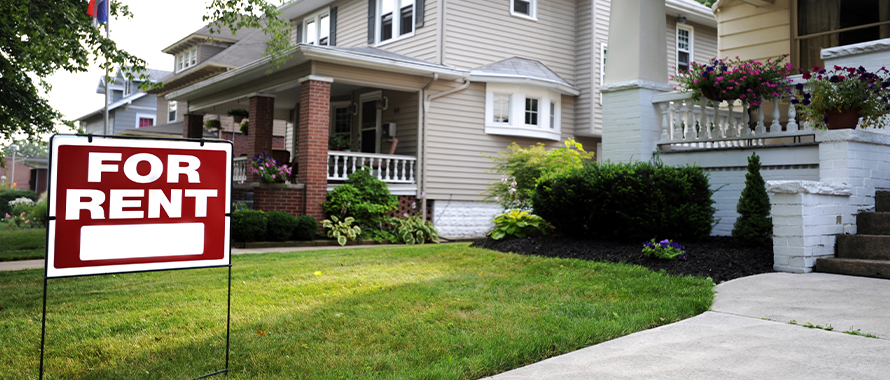
A growing number of homeowners are becoming what is being referred to as “accidental landlords,” or property owners who intended to sell their homes but instead rented them out after listings sat on the market too long. According to Zillow, 2.3% of current rental listings had previously been listed for sale, marking the highest share since late 2022, Forbes reported in April.
The trend comes as elevated borrowing costs and increased inventory create a more challenging environment for sellers. Rather than take a financial hit by lowering the asking price, many owners are choosing to rent out their properties temporarily while waiting for the market to improve. Denver, Houston, Austin, and San Antonio were among the metro areas with the most “accidental landlords,” the Forbes report noted.
“It was really interesting to see Denver very high on that list. I am experiencing a lot of this in my own neighborhood,” said Morgan Nielsen, Underwriter, Personal Insurance, Burns & Wilcox, Denver, Colorado. “The homes are likely priced too high for the current buyers, so they are going off-market and being listed for rent. I am seeing this a lot, literally on the same block where I live.”

The homes are likely priced too high for the current buyers, so they are going off-market and being listed for rent. I am seeing this a lot, literally on the same block where I live.
The Wall Street Journal also recently reported on the “accidental landlord” trend, with one property owner saying it is “such a nuisance and a hassle to have a rental property.” As more homeowners move into the landlord realm unexpectedly, insurance professionals say many do not realize their existing Homeowners Insurance may not properly cover the property once tenants move in.
“If you are renting a property out — or anything you own, whether a house or car — and someone else is going to be using it, you definitely need to have the right coverage in case something happens to the property,” said Rhonda Carter, Senior Underwriter, Personal Insurance, Burns & Wilcox, Dallas/Ft. Worth, Texas. “You are gambling if you do not have insurance on your rental property.”
Rentals surge as homes sit on market longer
According to a recent report by Redfin, more than half of U.S. home listings had been on the market for more than 60 days, The Hill reported in March. In February, there were almost 630,000 more home sellers than home buyers, which is the biggest difference on record, the report found.
While these conditions are leading more homeowners to seek temporary rental income while they wait to sell their homes, Carter said owners may forget to consider the insurance implications of the change in status — especially amid the chaos of moving. “There are so many things going on in their life that they may not think about it,” she said.
However, this could lead to gaps in coverage. “We have seen some cases where homeowners move out of the house and then they rent it, but they had not thought about the insurance part of it,” she explained. “We have seen lapses in coverage.”

We have seen some cases where homeowners move out of the house and then they rent it, but they had not thought about the insurance part of it. We have seen lapses in coverage.
Homes that become tenant-occupied often need to transition from a traditional Homeowners policy to a Dwelling Fire Insurance policy, which is intended for rental or non-owner-occupied properties. Homeowners should also talk with their insurance broker about Premises Liability Coverage, Loss of Rental Use Coverage to cover rental income in the event of a loss, and Personal Umbrella Insurance. It is important to review your policy closely, Nielsen pointed out.
“If you do not have your policy set up to have a tenant living there, that could cause issues in the long run if there were to be a claim,” she said. “It is very, very important to make sure your policy is written correctly.”
According to Carter, vacancy provisions may also apply if the property is unoccupied while a homeowner searches for tenants. “Once you move out of your property, if it is going to be vacant for more than 60 days, you definitely need to have a separate policy,” Carter said, adding that exact policy wording may vary. “Most of the time, it needs to be converted from a Homeowners Insurance policy to a Dwelling Fire policy for a tenant-occupied home.”
Tenant activity could increase damage exposures
Water damage and fire remain some of the most common and costly claims associated with residential properties. According to the Insurance Information Institute, wind and hail, water damage and freezing, and fire and lightning were among the most common Homeowners Insurance losses between 2019 and 2023.
For landlords, tenant behavior can increase some of those risks, Carter said. Water losses in rental homes can be caused by overflowing fixtures or unnoticed maintenance problems, for example. “When you are a landlord, you take on the responsibility of what the renter is going to do with the house,” she said. “Are they going to take care of it, or is it going to deteriorate? If your water is left running, your entire floor could have to be replaced.”
Fire risks can also emerge from minor mistakes or careless behavior. Carter recalled claims involving tenants using grills too close to structures or briefly leaving food unattended while cooking. “We have seen it catch the house on fire,” she said. “The damage is sometimes extensive.”
While Dwelling Fire Insurance is primarily intended to cover the physical structure of a rental property and generally does not cover a tenant’s personal belongings, both experts recommended requiring tenants to purchase Renters Insurance to protect their own property and liability exposures. “I would encourage anyone dipping into the landlord space to have their tenants carry Renters Insurance,” Nielsen said.
‘Accidental landlords’ may underestimate risks
New landlords should know that liability concerns may arise if their property creates hazards. According to Nielsen, cracked sidewalks, unsafe stair rails, or poorly maintained premises could result in injuries and ultimately lead to a claim or lawsuit against the homeowner, which could be covered by the Premises Liability Coverage on a Dwelling Fire policy.
“It is their responsibility to keep up the home,” she explained. “If somebody trips and falls, that could be picked up by their [Premises Liability Coverage].”
Additional liability coverage can be purchased through Personal Umbrella Insurance, which is frequently recommended for landlords, particularly those with multiple homes, Carter said. “I always recommend Personal Umbrella Insurance for anyone, actually,” she said. “In the society we live in now, you see more legal issues going on. Personal Umbrella Insurance is relatively inexpensive and it is a great tool.”
In the society we live in now, you see more legal issues going on. Personal Umbrella Insurance is relatively inexpensive and it is a great tool.
Homeowners may underestimate the legal and financial responsibilities that come with being a landlord, Nielsen said. This is also the case when listing a home as a short-term vacation rental, which is “definitely on the rise as well.”
Oftentimes [the home] is an individual’s biggest asset, and it only takes one bad thing to happen to wipe that all away.
“I think individuals jump into it without knowing a lot of these things,” she said. “Oftentimes [the home] is an individual’s biggest asset, and it only takes one bad thing to happen to wipe that all away.”